
5 Winter Horse Care Tips You Must Do
Cold, unpredictable weather, fewer daylight hours, and frozen ground and arenas can make looking after your horse more challenging during the winter months. Here are five winter horse care tips you must follow.
Understanding Winter Horse Care Essentials

As temperatures drop, planning for a turn in the weather is essential, from choosing the right feeding strategy to monitoring their wellbeing to keep your horse healthy through the colder months.
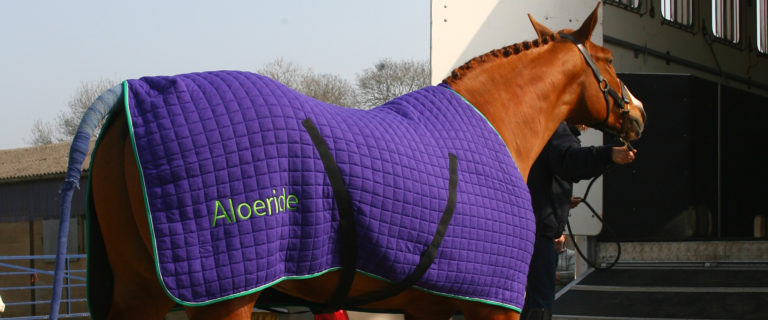
1. Prioritise Rugging Based on Weather, Not Assumption. Every horse is different, and how to winter rug your horse should reflect that. Whether you choose to clip or not, some horses will thrive with minimal layers, while others need a little more coverage when the temperature plunges. Horse Rugging Tips:
- Match the rug weight to your individual horse’s needs and the actual weather conditions, not the calendar.
- Check shoulders and withers daily for rubbing.
- Invest in the best quality winter rugs for horses. Look for breathable, waterproof materials for your turnout rugs.
2. Keep Hydration a Daily Priority. It’s common for horses to drink less in colder weather, which raises the risk of impaction colic. Making water more appealing is one of the most straightforward and most powerful winter care habits for preventing winter colic and increasing your horse’s water intake in winter. Our Essential Winter Horse Care Tips:
- Offer warm or tepid water. Encourage your horse with a ‘water buffet’ of different flavoured water, alongside their regular bucket.
- Break ice frequently in outdoor troughs.
- Add soaked feeds or electrolytes when appropriate.

3. Support Their Winter Diet With Smart Calories. Winter feeding for horses can be a juggling act – too much and you risk an overly fresh horse on icy, hard ground, and too little and you may find your horse drops off weight. Feeding fibre is your best friend. Digesting fibre generates internal heat, making it your horse’s most natural winter-warming system and helping keep horse ulcers at bay. Winter Horse Care Diet Essentials:
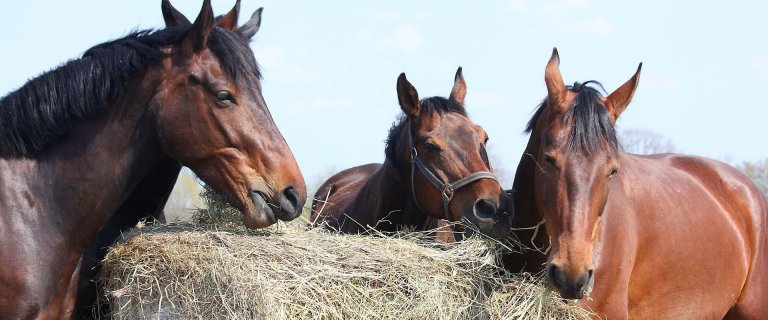
- Ensure your horse has access to adlib hay at all times and keep an eye on consumption – you may find your horse eats more during cold snaps, so adjust accordingly.
- How to keep weight on horses in winter? Feed for the work they are doing, their age and type. You may need to boost calories with high-fibre feeds, oil, or beet pulp.
- Monitor body condition every 2–3 weeks and always seek advice from an equine nutritionist.
- Always make gradual changes to your horse’s diet to avoid digestive issues.
4. Maintain Regular Hoof and Health Checks. Hooves don’t stop growing in winter, and the combination of wet-to-frozen conditions can create cracks, thrush, and sole bruising. Lost shoes can cause lameness and abscesses, and as the damp and cold weather sets in, keep an eye on your horse’s movement for any signs of stiffness or arthritis. Winter hoof health routine:
- Keep farrier visits consistent to support hoof health in wet weather.
- Check and clean hooves daily to prevent bacterial build-up and to remove lodged stones and mud.
- Feed Aloeride. Aloe vera is a superb full-spectrum horse supplement to support winter horse health and horse hoof care in winter.
- If your horse has to be stabled for longer hours during the winter months, ensure they have some daily time out in a turnout pen and exercise if ground conditions permit.

5. Create a Dry, Well-Ventilated Environment. A dry, warm, stable is helpful in bad weather, but a well-ventilated one is essential, especially for animals spending long periods of time in them. Moisture and ammonia build-up can irritate the respiratory system, especially in older horses. Stabled Winter Horse Care Essentials:
- Winter stable care should start with removing wet bedding throughout the day to prevent respiratory and thrush issues.
- Use the best dust-free bedding for horses in winter when possible.
- Keep air flowing without creating drafts.
Our Final Thoughts
Caring for a horse in winter is about planning and monitoring your horse and how they respond to colder weather. Ensure you have a back-up plan for bad weather, including always having emergency hay, bedding and feed, should you get snowed in. Being prepared for winter means you’ll find winter becomes less of a challenge and more of an opportunity to support their continued health and comfort.