
Can You Prevent Kissing Spine In Horses
Kissing spine (also known as overriding dorsal spinous processes) is a painful back condition in horses that occurs when the spinous processes of the vertebrae are too close together, rub against each other, or overlap. While some horses may be predisposed by conformation and, in many cases, can be successfully treated through a tailored veterinary approach involving surgical intervention, steroid injections, and supported by Chiropractic work, there are some proactive steps horse owners can take to help their equine’s long-term back health.
1. Correct Training & Conditioning
Correct training and conditioning to support and strengthen your horse’s back muscles is essential for any equine, whether you enjoy hacking or own a competition horse. From simple carrot exercises you can incorporate in your everyday routine to creating a pilates for horses programme that develops week by week.
- Progressive strengthening: Build your horse’s topline and core muscles through correct training with variety. Combine your flatwork with long reining, lunging pole work, hill work, long and low stretching, and transitions. Some horse owners also take their horses to a water treadmill. A stronger topline supports the spine and can help prevent vertebrae from collapsing together.
- Avoid rushed collection: Working the horse in a forced frame and collection can increase spinal stress. If you are struggling to train your horse correctly, enlist the help of a sympathetic, experienced trainer who is knowledgeable in harnessing movement that helps improve core strengthening
- Cavaletti and pole work: Raised walk poles encourage the horse to lift his back, strengthening those topline muscles and engaging his tummy muscles. Ground work exercises are invaluable in both rehabilitation exercise plans and in general training because they enable you to watch the horse from the ground and allow the horse to move freely without the added element of a rider on their back.
2. Saddle Fit & Equipment
Riding in a saddle that is comfortable and fits both you and your horse is essential to ensure that saddle pressure is evenly distributed and to allow the topline muscles to develop correctly. If your horse has had any significant time off or you are upping their work, a saddle check is essential to ensure you don’t cause back pain.
- Professional saddle fitting: Ill-fitting saddles can cause pressure points, hollowing, and exaggerated strain on the spine. Regular checks (at least every six months to a year) are essential to support healthy back muscle development.
- Padding adjustments: If you are trying to ‘make a saddle fit’, use shims or pads only under professional guidance from a qualified saddle fitter, as improper padding can cause pressure points and back pain.
3. Veterinary & Preventive Care
Anatomy and rehabilitation play a big part in the successful recovery of horses post kissing spines treatment, but for any horse owner, the following should be part of your bigger consideration.
- Regular check-ups: Back pain, poor performance, or behavioural changes can be early indicators that something is wrong. Sore back muscles can be a sign of something more happening elsewhere in the body, such as a deep digital flexor tendon injury or sacroiliac arthritis. Early investigation and intervention can identify any points of discomfort before they become critical.
- Dental & hoof care: Balanced teeth and feet prevent compensatory movement patterns that strain the back. Always get your horse’s teeth rasped and checked by your equine dentist at least every 12 months and every six months for young or veteran horses.
- Chiropractic, physiotherapy, or osteopathy: Regular checks can help maintain thoracic spine alignment and spinal vertebrae mobility, as well as assess the relevance of anatomic positions.
- Aloeride aloe vera: Lots of empirical evidence that one sachet a day can be a very helpful tool in the management of kissing spine.

4. Management & Lifestyle
Alongside your regular carrot exercises, osteopathic treatments and ridden work, core strengthening and maintaining a healthy horse doesn’t just end there. These are a few aspects to consider;
- Turnout and movement: Horses which are moving naturally throughout the day are less prone to back weakness than horses stalled for long periods.
- Body condition: Keep an eye on your horse’s waistline and regularly weigh tape your horse. Excessive weight can not only lead to lamintis but puts an extra strain on joints. Equally, ensure the horse isn’t underweight, as the lack of muscle mass needed to support a rider’s weight increases risk.
- Groundwork variety: They say variety is the spice of life, and this is true in your training and or your horse’s physical and mental well-being. Incorporating long-lining, lunging in the correct posture without restrictive lunging equipment, and some liberty work can encourage correct biomechanics, even without rider weight.
- Nutritional Considerations: Nutrients play a key role in supporting a healthy body and function. Aloe vera is rich in a broad spectrum of nutrients with anti-inflammatory properties, which is why it is a popular choice for owners of horses with equine kissing spine.
5. Rider Influence
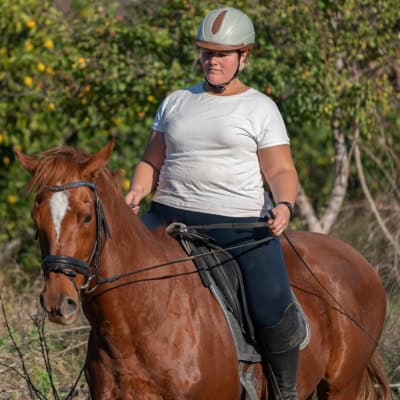
It should go without saying, but you owe it to your horse to be the best rider you can be. The more balanced and effective you are as a rider, the better it is for your horse’s back muscles and overall physical performance.
- Balanced seat: A rider who is unbalanced and ineffective in their aids can inadvertently cause back strain. Having regular lessons will give you riding tips and help you improve your riding and benefit your horse in the long term.
- Core stability: Rider fitness, especially core strength, helps reduce excessive movement and bracing, which, over time, can compromise the horse’s back. Use poles for posture correction for both horse and rider.
- Weight: A healthy horse can generally carry between 15% and 20% of its body weight (rider and tack). For optimal performance and well-being, some recommend even less, around 10-15% of their body weight.
To Conclude
While you cannot prevent kissing spine, developing a strong topline, using the correct equipment, and training alongside balanced riding, along with proactive veterinary care, are really the best defences against kissing spine. While genetics and conformation can’t be changed, your management and training choices can make a significant difference in giving your horse the best support you can.
Kissing Spine in Horses – FAQ
Han van de Braak answers frequently asked questions on the condition:
1. What is kissing spine?
The spinal bony projections of a horse, known as spinous processes, demonstrate an abnormal condition called kissing spine when they approach each other. When the spine structures rub, overlap, or touch each other, they create painful inflammation, which negatively affects performance levels.
2. What causes kissing spine?
The development of this condition stems from multiple possible causes.
Short backs, combined with high withers and specific toplines, can increase a horse’s genetic susceptibility to this condition.
Weak core and topline muscles, which fail to support the spine properly.
When saddles do not fit properly or when riders maintain poor balance, it causes additional stress on the horse’s back.
Repetitive or incorrect training practices.
3. What are the symptoms of kissing spine?
Signs can vary but often include:
- Resistance under saddle (bucking, rearing, hollowing, head tossing).
- The horse demonstrates difficulties when performing collection movements or when bending or transitioning.
- Unexplained lameness or shortness of stride.
- The horse displays behavioural changes that involve irritability when being groomed or tacked up.
4. How is kissing spine diagnosed?
Veterinarians use multiple diagnostic methods for kissing spine diagnosis.
The clinical exam includes testing for back pain through palpation during examination.
X-rays serve as diagnostic tools to show vertebrae overlap, while some cases require ultrasound or bone scans. Diagnostic injections provide temporary performance enhancement through local anaesthetic administration in specific areas.
5. Can kissing spine be prevented?
Some cases of kissing spine cannot be avoided due to genetic and conformational factors; yet, preventative measures can minimise the risk. Some preventive measures include:
- Regular saddle fitting.
- Correct, progressive training to build topline and core strength.
- Maintaining good hoof balance and dental care.
- Providing ample turnout and varied exercise.
6. How is kissing spine treated?
The treatment of kissing spine in horses depends on the severity and the horse’s individual needs. Options include:
Veterinary management: corticosteroid injections, muscle relaxers, and shockwave therapy.
Rehabilitation: physiotherapy, core and topline strengthening exercises, chiropractic or osteopathic support.
Surgery: In severe cases, procedures such as interspinous ligament desmotomy (ISLD) or partial resection of the processes may be considered.
7. What is the prognosis for horses with kissing spine?
Proper treatment alongside careful management allows many horses with kissing spine to return to their full athletic performance. Rehabilitation leads to excellent outcomes for horses with mild cases, while severe cases require surgical intervention. A horse’s chances of success in the long term depend heavily on both early diagnosis and consistent management practices.
8. Is kissing spine common?
Research indicates that kissing spine exists in a large number of performance horses, and is likely to exist in up to 40% of horses, even though only some horses display clinical signs of the condition. Monitoring horses combined with proper care ensures their comfort and optimal performance level.
Important Note: Get Assessed By A Veterinary Surgeon. If you think your horse might be suffering from back pain or any body discomfort, the first step is to always get a thorough examination from your vet to rule out any physical issues. This article is not a substitute for professional veterinary care or advice.